
Root Canal Treatment In North Calgary
Root Canal Treatment in North Calgary helps treat infected or damaged teeth while preserving your natural smile. If you experience persistent toothache, sensitivity or swelling, you may need a dental examination to determine the cause.
At Lewisburg Dental in North Calgary, our root canal treatment in Calgary service focuses on identifying dental infections, relieving discomfort and protecting your natural teeth. Dr. Sunil D. Thakur will assess your condition, explain your treatment options and recommend the most appropriate care.
Understanding Root Canal Treatment in Calgary
Root canal treatment is a dental procedure used to treat infection or inflammation inside a tooth. The soft tissue inside the tooth, known as the pulp, can become damaged by deep cavities, cracks, injuries or repeated dental procedures.
Without appropriate treatment, an infected tooth may cause persistent pain, swelling and further complications.
A root canal dentist in Calgary can examine the affected tooth and determine whether root canal therapy or another treatment is necessary.

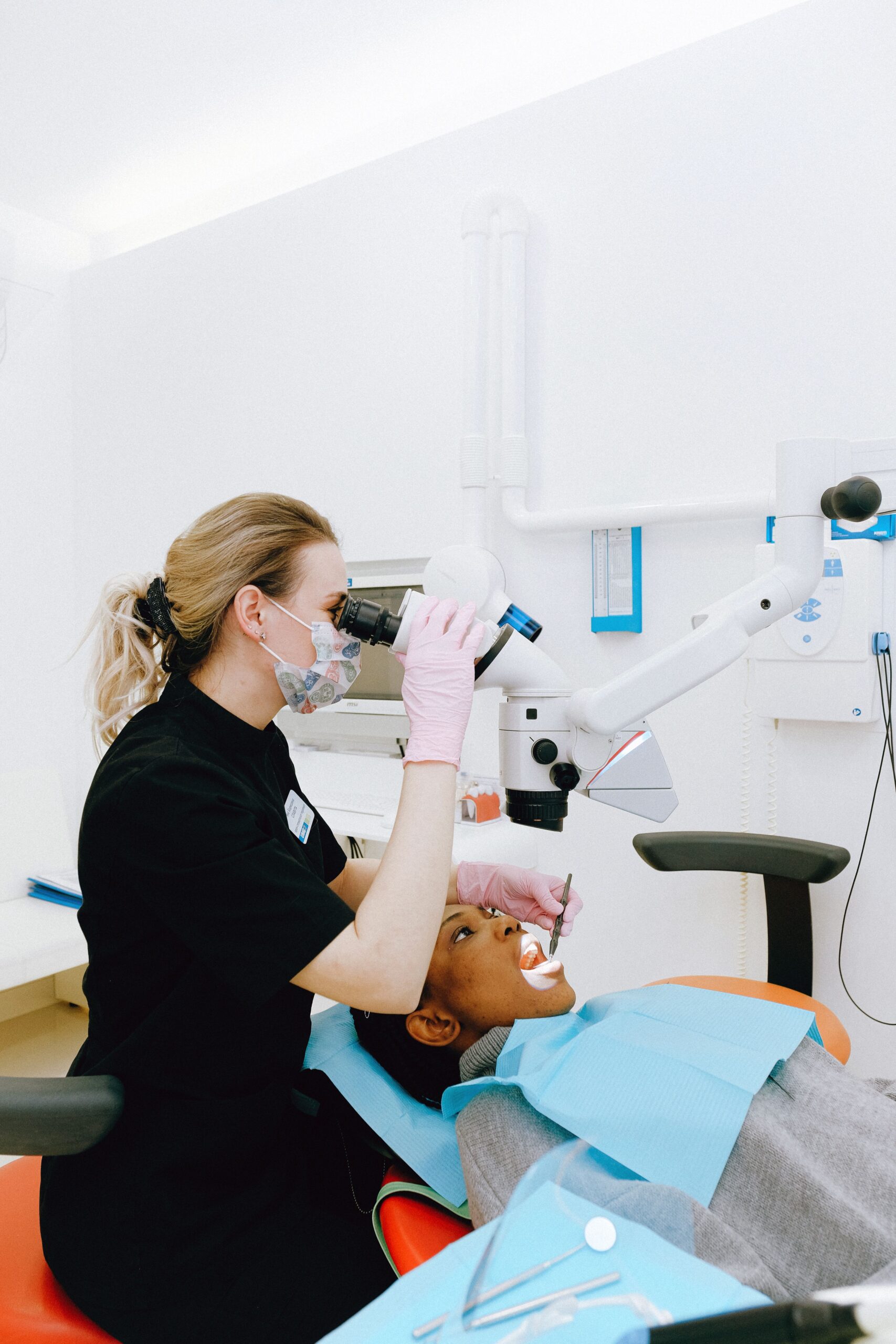
Signs You May Need Root Canal Treatment
Certain symptoms may indicate that your tooth needs professional attention. These include:
Persistent or severe toothache.
Pain when biting or chewing.
Prolonged sensitivity to hot or cold.
Swelling or tenderness around a tooth.
Darkening or discolouration of a tooth.
Swollen gums near the affected area.
These symptoms do not automatically mean you need a root canal. A dental examination and appropriate imaging help identify the underlying problem.
If swelling spreads or you experience difficulty breathing or swallowing, seek emergency medical care immediately.
What Happens During a Root Canal Procedure?
Understanding the root canal procedure in Calgary can help you feel more prepared for treatment.
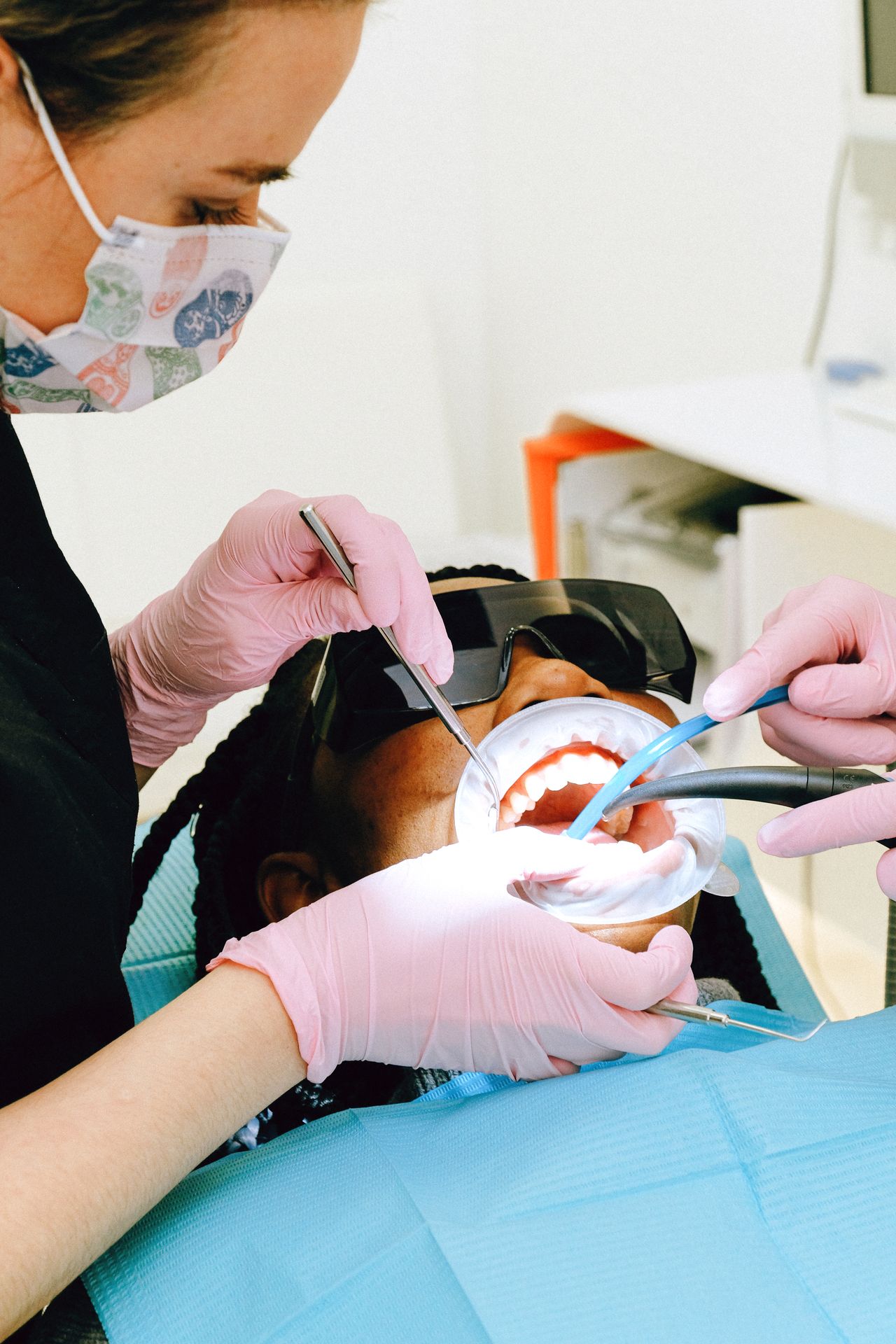
At Lewisburg Dental, the process generally involves:
Dental Examination: Your dentist examines the affected tooth and discusses your symptoms.
Local Anaesthetic: The area is numbed to help keep you comfortable.
Removal of Infected Tissue: The damaged or infected pulp is carefully removed.
Cleaning and Sealing: The root canals are cleaned, shaped and sealed.
Tooth Restoration: A filling or dental crown may be recommended to protect the treated tooth.
Some treatments require more than one appointment, depending on the complexity of the case.
Can Root Canal Treatment Save Your Natural Tooth?
One major benefit of root canal treatment in Calgary is the opportunity to preserve a natural tooth that might otherwise require extraction.
However, not every damaged tooth can be restored successfully. The remaining tooth structure, surrounding bone and extent of infection influence the treatment recommendation.
Dr. Sunil D. Thakur will explain the expected benefits, limitations and alternatives, including extraction and possible tooth replacement.
Root Canal Recovery and Aftercare
For a smoother recovery:
Follow your dentist’s aftercare instructions.
Avoid heavy chewing on the treated tooth until fully restored.
Maintain good brushing and flossing habits.
Take prescribed or recommended medication as directed.
Attend follow-up appointments as advised.
Contact Lewisburg Dental if pain worsens, swelling develops or you experience unexpected symptoms.
Cost and Insurance Coverage
The root canal treatment cost in Calgary varies depending on the affected tooth, treatment complexity, imaging and restoration required.
Dental insurance may cover some treatment expenses, depending on your policy and eligibility. Our team can provide an estimate and help you understand your coverage before treatment. Financing may also be available subject to approval.
Book Your Root Canal Consultation in Calgary
Persistent tooth pain should not be ignored. Early dental assessment can help identify infection and determine whether root canal treatment is appropriate.
Contact Lewisburg Dental in North Calgary to discuss your symptoms and treatment options.
Frequently Asked Questions
No. Toothaches can result from several dental conditions. An examination helps determine the cause and appropriate treatment.
Yes. Local anaesthetic is typically used to numb the affected area during treatment.
Some teeth, particularly back teeth, may benefit from a dental crown to provide additional protection. Your dentist will assess your remaining tooth structure.
The number of visits depends on the affected tooth and complexity. Some treatments require multiple appointments.
Your dentist may recommend referral to an appropriate dental specialist when additional expertise is required.